Managing Stress Through Mindfulness: Techniques for a Calmer Life
Learn practical mindfulness techniques for managing everyday stress, noticing early warning signs, and responding with greater awareness.
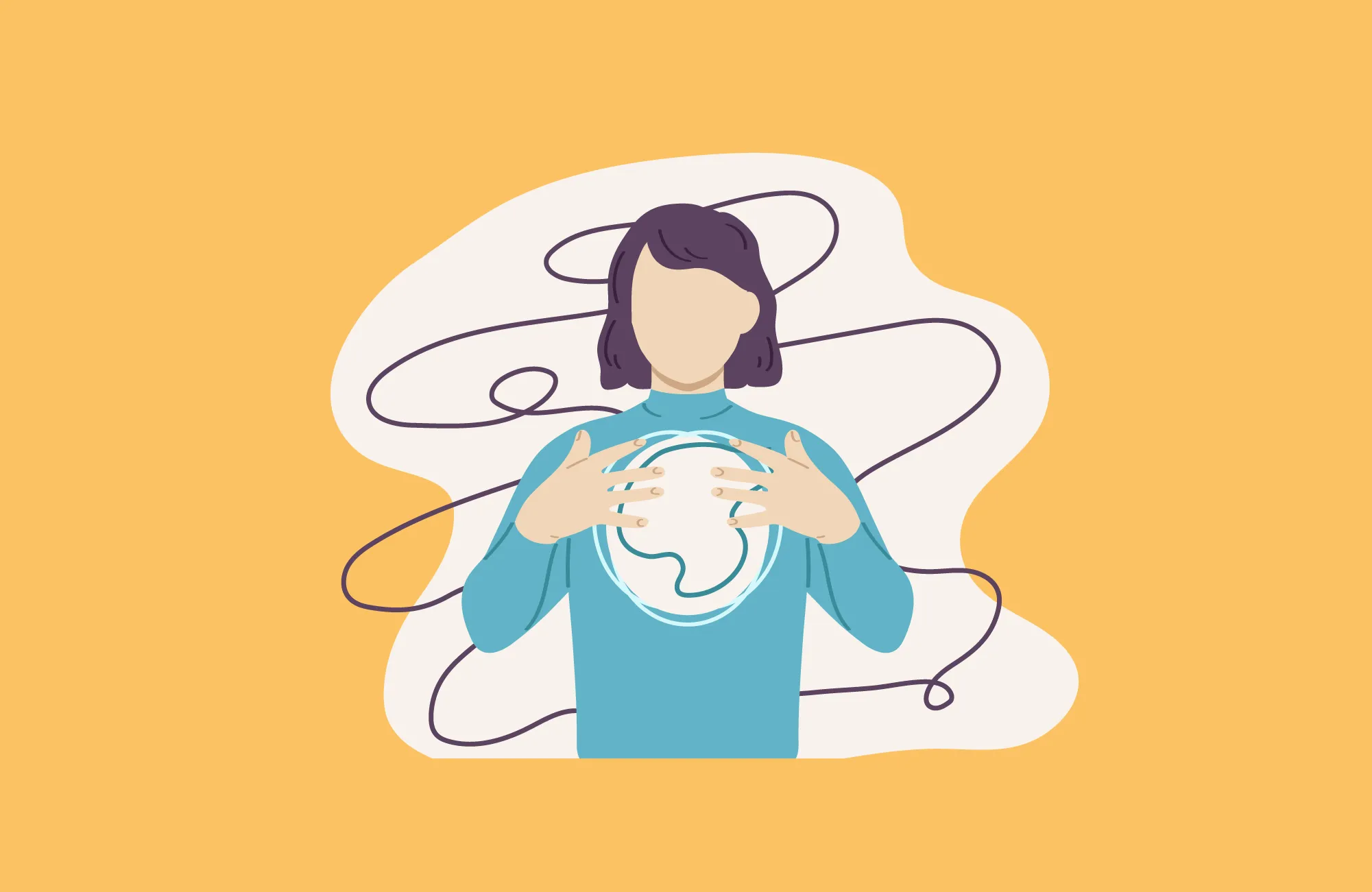
Stress is a natural response to demands, uncertainty, and change. In manageable amounts it can help us respond to a challenge. When it becomes intense, persistent, or difficult to recover from, it can affect sleep, concentration, mood, relationships, and physical wellbeing.
Mindfulness cannot remove every stressor, and it should not be used to tolerate harmful circumstances. What it can offer is a way to notice the stress response, reconnect with the present, and choose the next action with a little more awareness.
What happens when we feel stressed?
The World Health Organization defines stress as a state of worry or mental tension caused by a difficult situation. It may show up in the mind and body through irritability, worry, racing thoughts, difficulty concentrating, muscle tension, headaches, stomach discomfort, changes in appetite, or trouble sleeping.
Stress is not a personal failure. It can reflect work pressure, caregiving, illness, financial insecurity, discrimination, grief, conflict, unsafe conditions, or many demands arriving at once. Coping skills may help us meet stress, but they do not make those realities imaginary.
How mindfulness may help
Mindfulness involves paying attention to present experience with less automatic judgment. During stress, attention often becomes captured by imagined futures, repeated memories, or a long list of problems. A mindful pause can help separate what is happening now from everything the mind is predicting.
Research suggests that mindfulness-based practices may help some people reduce perceived stress or symptoms of anxiety and depression, and may support sleep. Results vary, however, and mindfulness programs differ widely in length, quality, and purpose. The National Center for Complementary and Integrative Health presents mindfulness as a potentially useful approach—not a guaranteed result or universal treatment.
Five mindfulness techniques for stressful moments
1. Notice and name what is here
Pause and silently name what you notice: “worry is here,” “my shoulders are tight,” or “I am rushing.” Use simple language without turning the observation into a verdict about yourself.
Naming an experience can create a small amount of distance from it. Instead of “I am a disaster,” the experience becomes “I am noticing a thought that says I cannot manage this.” The problem may still be real, but the thought no longer has to be the whole field of attention.
2. Ground through your senses
Bring attention to the physical world around you. Notice:
- three things you can see,
- two sounds you can hear, and
- one sensation of contact, such as your feet on the floor.
Grounding does not deny difficult thoughts. It broadens attention so those thoughts are not the only thing you can perceive. The World Health Organization includes grounding among the practical skills in its Doing What Matters in Times of Stress guide.
3. Follow a natural breath
Notice where breathing is easiest to feel—perhaps at the nostrils, chest, or abdomen. Follow one inhale and one exhale without trying to make them deep or perfect. Continue for several breaths if comfortable.
If focusing on breathing increases discomfort, choose another anchor such as sound, a visible object, or the feeling of your hands touching. Breath awareness is an option, not a requirement.
4. Check the body and soften one area
Move attention through the jaw, shoulders, hands, stomach, and legs. Notice tension without demanding that it disappear. Ask whether one area can soften slightly: unclench the hands, lower the shoulders, change position, stretch, or stand up.
Movement may be more supportive than stillness when you feel agitated. Try walking slowly while noticing the contact of each foot, or stretch while following the changing sensations.
5. Choose one values-based next step
Ask: “What is one useful and caring action available now?” The answer might be writing down priorities, drinking water, setting a boundary, requesting help, taking prescribed medication, leaving an unsafe situation, or resting before making a decision.
Keep the action small enough to begin. Mindfulness is most useful when awareness reconnects us with purposeful action—not when it becomes a way to postpone what matters.
A three-minute practice
- First minute: notice and name your thoughts, emotions, and physical sensations.
- Second minute: focus on one steady anchor, such as breathing, sound, or contact with the floor.
- Third minute: widen attention to your surroundings and choose one manageable next action.
For a longer guided version, try the 5-Minute Mindful Reset. When there is no time even for three minutes—right before a difficult conversation, for instance—box breathing takes about a minute.
Make practice easier to remember
Mindfulness is easier to use during intense stress when it has already been practiced during ordinary moments. Attach a short pause to something that happens every day:
- before opening email,
- after ending a phone call,
- while waiting for water to boil,
- when sitting down to eat, or
- before getting into bed.
Begin with 30 seconds or one minute. Consistency matters more than duration, and missing a day does not erase the practice.
Common mistakes to release
Using mindfulness to suppress emotion. The practice is to notice an emotion and choose how to respond—not to make yourself stop feeling it.
Blaming yourself when stress continues. Stress often reflects real conditions. Personal practices cannot replace adequate rest, safety, healthcare, social support, fair working conditions, or structural change.
Forcing long meditation sessions. A short practice you can repeat is more useful than an ambitious routine that creates additional pressure.
Expecting one technique to fit everyone. Stillness and inward focus can be uncomfortable for some people. Walking, music, sensory grounding, or talking with a trusted person may be a better starting point.
When self-help is not enough
Consider speaking with a healthcare or mental health professional if stress is persistent, worsening, difficult to cope with, or interfering with sleep, work, relationships, self-care, or everyday functioning. Professional help is also important when stress is connected with trauma, substance use, panic, depression, or an unsafe situation.
If a mindfulness exercise increases panic, dissociation, distressing memories, or a sense of being unsafe, stop the exercise and orient to the environment around you. Seek guidance from a suitably trained professional rather than forcing yourself to continue.