What is Mindfulness? Definition, Benefits, and Practice Tips
Learn what mindfulness is, how it may support wellbeing, and simple ways to practice present-moment awareness in everyday life.
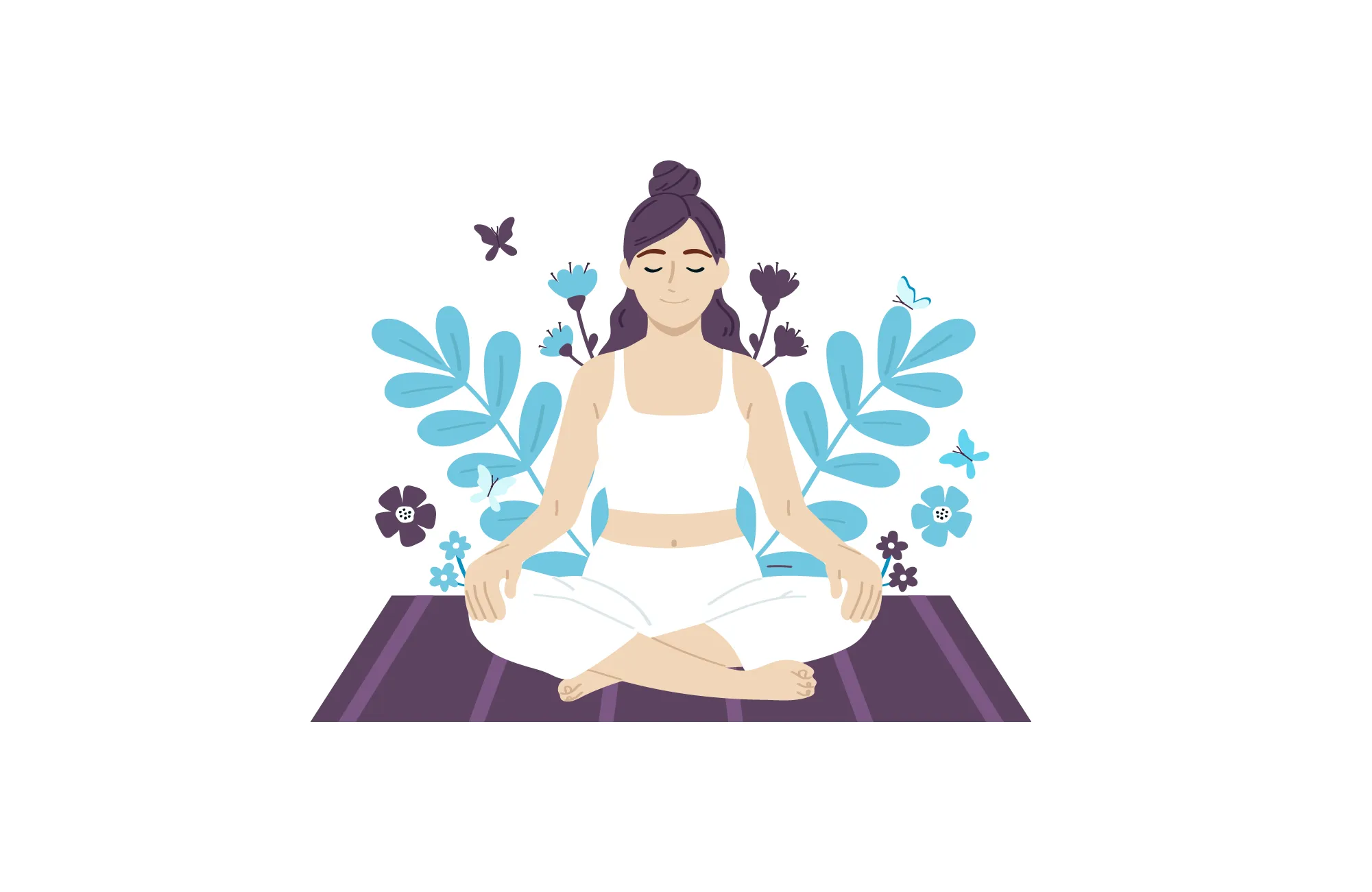
Mindfulness is the practice of noticing what is happening right now—with openness, curiosity, and less automatic judgment. It can be practiced during meditation, but it can also happen while walking, eating, listening, working, or taking one conscious breath.
The aim is not to eliminate thoughts or remain calm all the time. Mindfulness helps us recognize thoughts, emotions, and physical sensations more clearly so we can respond with greater awareness rather than moving through every moment on autopilot.
What does mindfulness mean?
The American Psychological Association describes mindfulness as awareness of one’s internal states and surroundings. In practice, it often involves bringing attention to present-moment experience without immediately judging or reacting to it.
Three qualities are especially helpful:
- Attention: noticing what is here, such as breathing, sounds, thoughts, or sensations.
- Openness: allowing an experience to be noticed before trying to change it.
- Kindness: returning attention gently when the mind wanders instead of criticizing yourself.
Your attention will wander. That is not a failure; noticing the wandering is part of the practice. Each return to the present moment is a small repetition that strengthens awareness.
Mindfulness and meditation are related—but not identical
Mindfulness is a quality of awareness that can be brought to many activities. Meditation is a more formal practice that may be used to develop that awareness, often by sitting quietly and focusing on the breath, the body, a sound, or another anchor.
You do not need a special room, a particular posture, or a long session to begin. Formal meditation can be useful, but a mindful pause in the middle of an ordinary day also counts.
What mindfulness is not
- It is not emptying the mind. Thoughts naturally continue to arise.
- It is not forced positivity. Difficult emotions can be acknowledged without pretending they feel pleasant.
- It is not passive resignation. Accepting that something is present does not mean approving of it or deciding not to act.
- It is not a guaranteed route to calm. Sometimes becoming more aware means noticing discomfort that was already there.
- It is not a replacement for professional care. Mindfulness may complement appropriate care, but it should not delay medical or psychological support.
What does research say about the benefits?
Mindfulness has been studied in relation to stress, anxiety, depression, sleep, pain, and other aspects of wellbeing. Some research suggests that structured mindfulness programs may help certain people with some of these concerns. However, results vary, programs differ, and many studies have limitations.
A widely cited systematic review of meditation programs found moderate evidence for improvements in anxiety, depression, and pain, but lower or insufficient evidence for several other outcomes. The National Center for Complementary and Integrative Health likewise notes that some findings are promising while much of the research remains preliminary, mixed, or difficult to interpret.
This is why it is more accurate to say mindfulness may support wellbeing than to promise that it will treat a condition or produce a particular result. Benefits also tend to come from repeated practice rather than one perfect session.
A simple mindfulness practice for beginners
Try this for two to five minutes. Sit or stand in a position that feels steady. You may keep your eyes open, lower your gaze, or close them if that feels comfortable and safe.
- Arrive. Feel the support beneath your feet or body. Notice that you have paused.
- Choose an anchor. Bring attention to the natural movement of your breath, a sound, or a physical sensation.
- Notice. When thoughts, emotions, or other sensations appear, acknowledge them without needing to follow or solve them.
- Return. Gently guide attention back to your anchor. Repeat this as often as necessary.
- Close. Notice your surroundings and decide on one clear next step before continuing your day.
If you prefer a guided structure, use the 5-Minute Mindful Reset. If you would rather follow a set route through the body than choose an anchor, body scan meditation gives attention somewhere specific to go next.
Ways to practice in everyday life
Mindfulness becomes easier to remember when it is attached to moments that already happen. You might try:
- feeling your feet on the floor before opening your inbox,
- taking one conscious breath between tasks,
- noticing taste and texture during the first few bites of a meal,
- listening to someone without preparing your reply,
- feeling the movement of your body while walking, or
- checking in with your jaw and shoulders when you pick up your phone.
Choose one situation and repeat the practice there for a week. A small, specific habit is often easier to sustain than an ambitious meditation schedule.
Common challenges
“My mind will not stop thinking.” It does not need to. Notice the thought, then return to your chosen anchor.
“I feel restless or impatient.” Make the practice shorter. Thirty seconds of honest attention can be more useful than forcing yourself through a long session.
“I keep judging myself.” Try naming the judgment—“judging is here”—without arguing with it. Then return.
“Focusing on my breath feels uncomfortable.” Use another anchor, such as sounds, your feet on the floor, or an object you can see.
Is mindfulness safe for everyone?
Mindfulness and meditation are generally considered low-risk, but they are not entirely risk-free. Some people report increased anxiety, low mood, distressing memories, or other difficult experiences. Research on adverse effects is still limited.
If practice feels destabilizing, stop or shorten it, keep your eyes open, orient yourself to the room, or choose an external anchor such as sound. Consider guidance from a suitably trained practitioner. If you are managing trauma, severe anxiety, depression, or another health condition, discuss mindfulness with a qualified health professional and do not use it to replace recommended care.
How to begin without making it another obligation
Start with one or two minutes and connect the practice to something you already do. Let success mean remembering to notice—not achieving a particular feeling. On some days you may feel calmer; on others you may simply become more aware of what is present.
That willingness to return, patiently and repeatedly, is the heart of mindfulness.